The Fibre Library

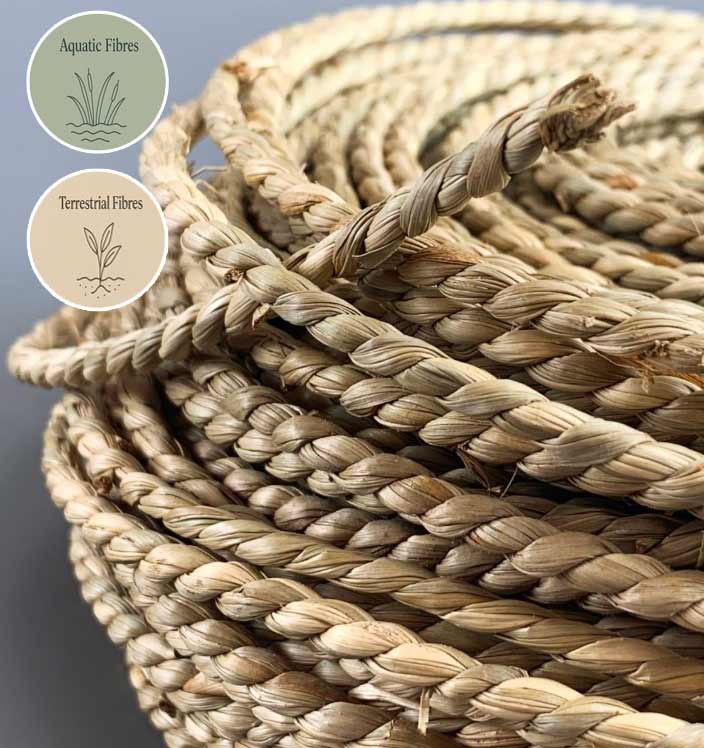
Sea Grass

Sea Grass

Sustainability

Sea grass is rapidly renewable and harvested in coastal ecosystems, providing environmental benefits.

Biodegradation

Sea grass fibers are completely biodegrdabdable and decay without causing pollution.

Properties

  • Resilient and lightweight
  • Rough feel
  • Resistant to saltwater
Explore Our Natural Fibre Collection

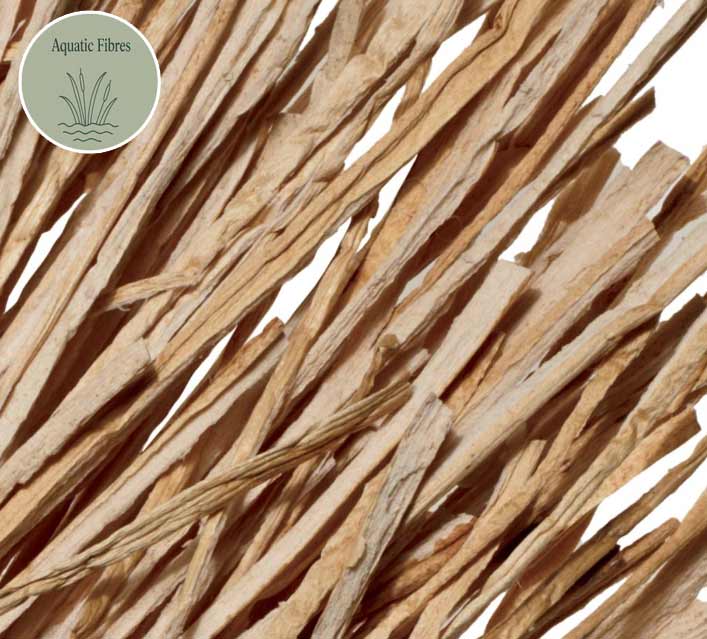
Water Hyacinth

Sustainability

Water hyacinth growS abundantly in aquatic environments, providing a renewable source of fiber.

Biodegradation

The fibers are fully biodegradable, breaking down naturally without causing longterm environmental harm

Properties

  • Strong and durable
  • Lightweight
  • Textured surface
Explore Our Natural Fibre Collection
Water Hyacinth
Aloe Plants

Aloe Plants

Sustainability

Derived from aloe plants, a renewable resource requiring minimal water and input to grow.

Biodegradation

Decomposes naturally and fully, without leaving harmful residues or contributing to landfil waste.

Properties

  • Durable and strong
  • Moisture-resistent
  • Slightly coarse texture
Explore Our Natural Fibre Collection
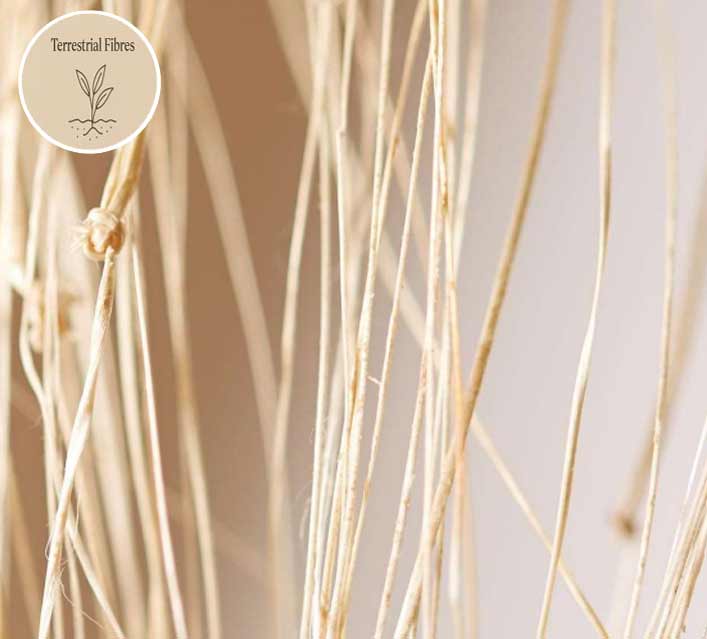
Munja

Munja (Saccharum)

Moonj is a semi aquatic plant as this land grown and soil rooted plant thrives near water. It turns into coarse, high tensile fibre, which has good moisture absorption capacity.

Sustainability

Saccharum moonja is a perennial grass that grows in floodplains and wetlands, supporting sustainable land management.

Biodegradation

Moonja fibres are fully biodegradable and will break down naturally without harming ecosystems.

Properties

  • High tensile strength
  • Rough
  • Good
Explore Our Natural Fibre Collection
Banana

Banana

A thick, soft fiber that is cultivated from a banana tree trunk. Coloration varies greatly depending on the climate in which it is grown and how it is dried.

Sustainability

Unlike cotton, it requires zero additional land, water, or pesticides to grow, as it is harvested from plants already grown for food.

Biodegradation

It decomposes within 3–6 months in compost, leaves no toxic residue, and offers a sustainable, plastic-free alternative to synthetic textiles.

Properties

  • High Tensile Strength
  • Lightweight & Low Density
  • Moisture resistant
  • UV-resistant, fire-retardant, and resistant to seawater (prevents itself from rotting easily in marine environments)
Explore Our Natural Fibre Collection


Kenaf

Kenaf fiber derived from the Hibiscus cannabinus plant (extracted from the bark), but it is often favored in industrial engineering for its exceptional strength-to-weight ratio.

Sustainability

Kenaf reaches maturity (4–5 meters) in only 150 days, significantly faster than trees used for paper pulp. Kenaf is a "carbon sink." It absorbs roughly 1.5 tons of CO2 for every ton of fiber produced—approximately three times more than a typical forest.

Biodegradation

Kenaf is 100% Biodegradable. It decomposes within 3–6 monthsin compost, leaves no toxic residue, and offers a sustainable, plastic-free alternative to synthetic textiles.

Properties

  • High Tensile Strength
  • Low Density
  • Acoustic & Thermal Insulation
  • Absorbent
Explore Our Natural Fibre Collection
Kenaf
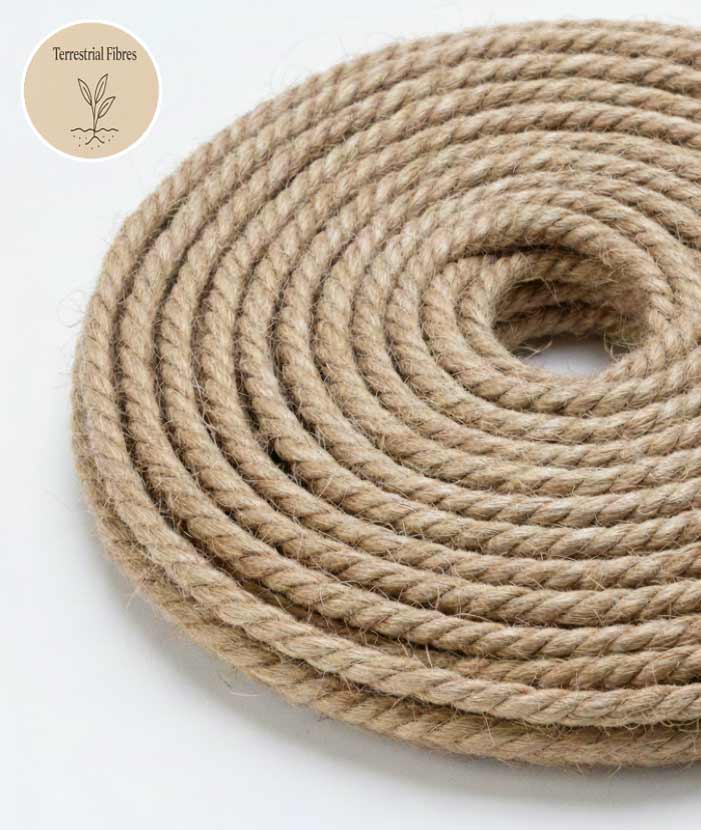
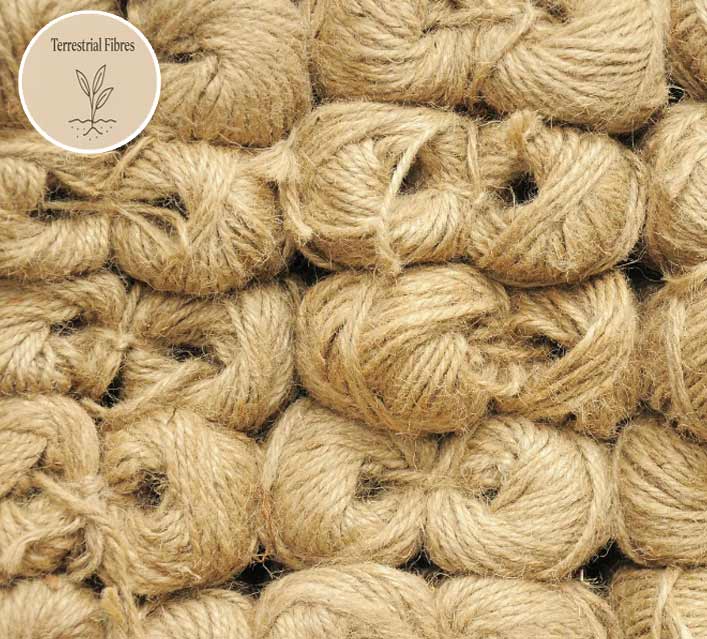
Jute

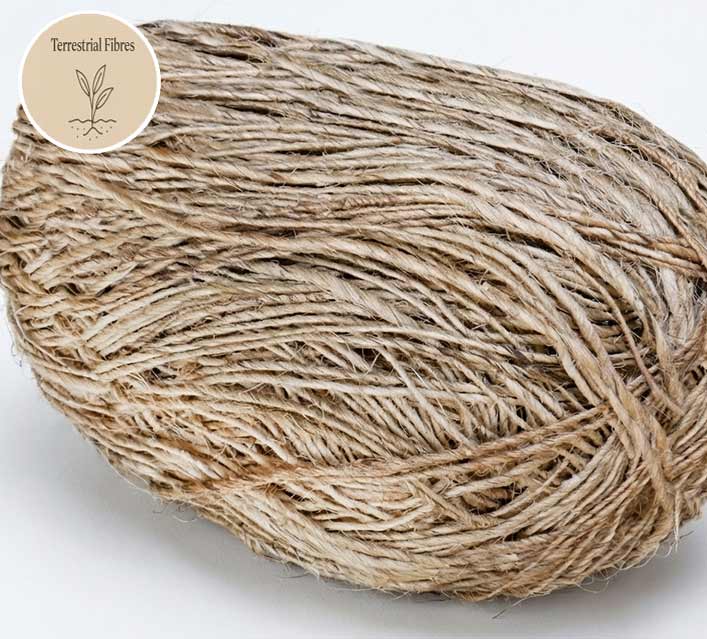
Jute

Sustainability

Jute is a fast-growing crop, cultivated primarily in tropical recions, making it an eco-friendly choice.

Biodegradation

Jute fibers are fully biodegradable and decompose naturally without leaving harmful residues.

Properties

  • Strong and durable
  • Coarse texture
  • Good moisture retention
Explore Our Natural Fibre Collection
Cotton

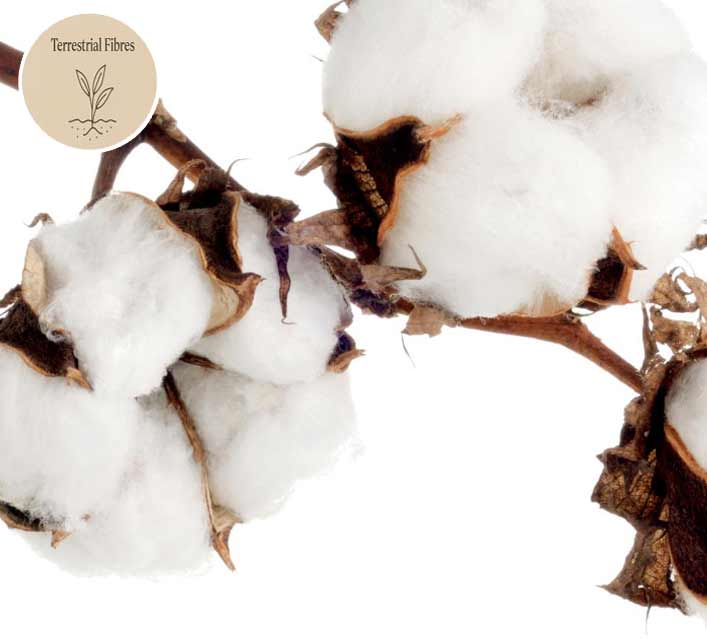
Sustainability

Cotton is a natural renewable fiber. When grown without synthetic pesticide, it reduces environmental impact.

Biodegradation

Cotton is 100% biodegradable and compostable, breaking brown soil in soil'ad leaving no microplastic residue.

Properties

  • Soft and breathable
  • Strong and durable
  • Highly absorptent
  • Strong and durable
  • Hypoallergenic
Explore Our Natural Fibre Collection
Cotton